Trading Futures
Futures are standardized agreements to buy or sell an asset at a fixed price on a fixed future date, and almost nobody who trades them wants the asset itself. What traders actually trade is the contract's price change between entry and exit. That single idea explains nearly everything else about this market.

Think of a futures contract as a locked-in receipt for a future delivery that almost everyone trades onward instead of cashing in. The receipt has value because prices move, and that movement is where the profit and loss live.
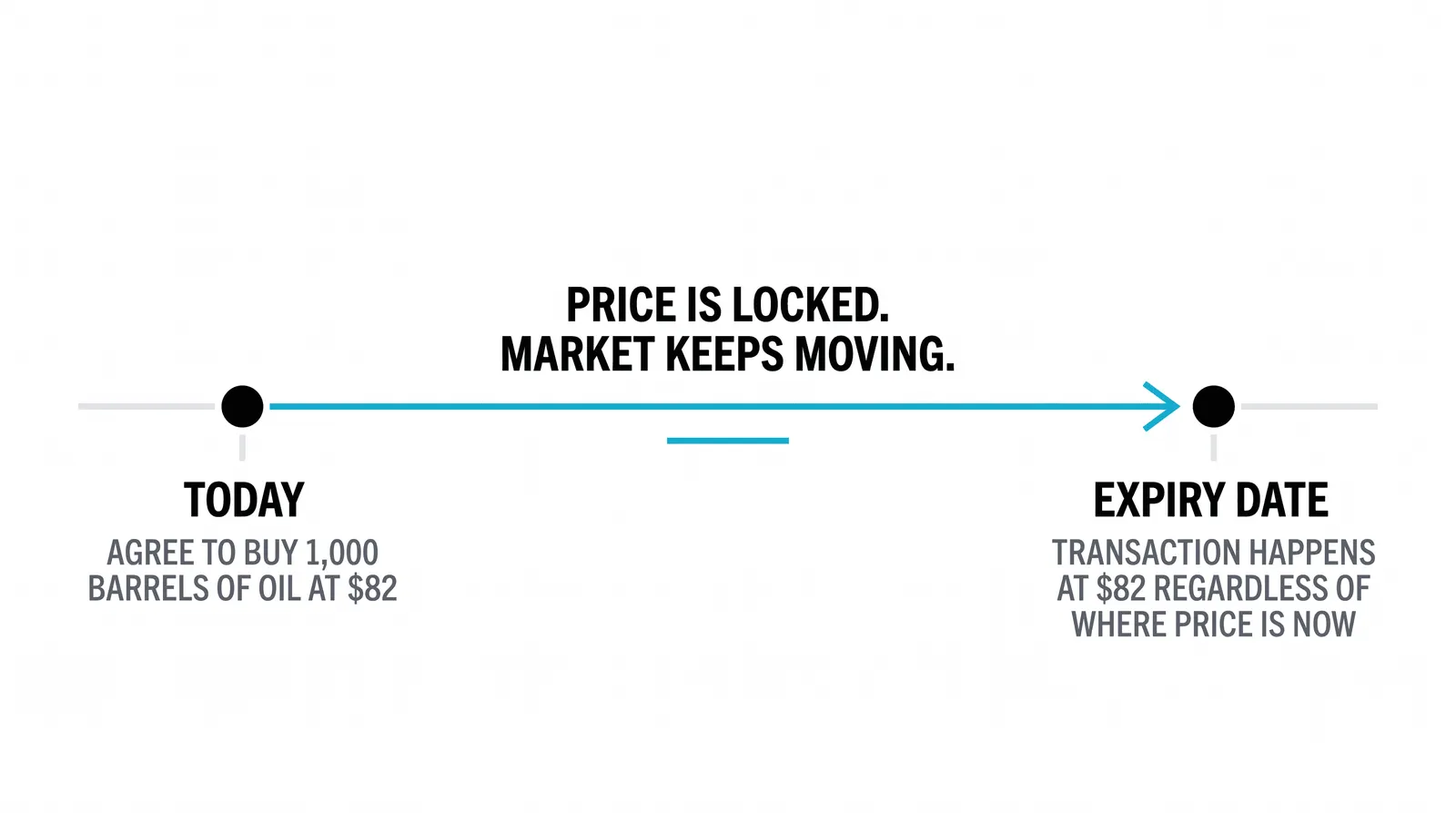
What a Futures Contract Actually Is
Every futures contract has the same skeleton. A buyer agrees to purchase, a seller agrees to deliver, at an agreed price, for a set quantity, on a set date. Nothing about that is negotiated between the two parties.
The exchange standardizes every detail in advance. Contract size, tick value, delivery month, and settlement method are all fixed by the exchange's rulebook. Because every contract for a given market and month is identical, contracts are interchangeable, and interchangeability is what makes a deep, liquid market possible.
You never shake hands with the person on the other side. The exchange's clearing house sits between buyer and seller and guarantees both sides of the trade.
How Trading Them Works Day to Day
To open a position you post a margin deposit, which is a fraction of the contract's full value. This is a performance bond, not a down payment on a purchase. It exists to cover your losses if the market moves against you.
Going long and going short are equally easy. Selling a contract you do not own requires no borrowing and no special arrangement, because you are simply entering an agreement. That symmetry is one of the cleanest features of this market.
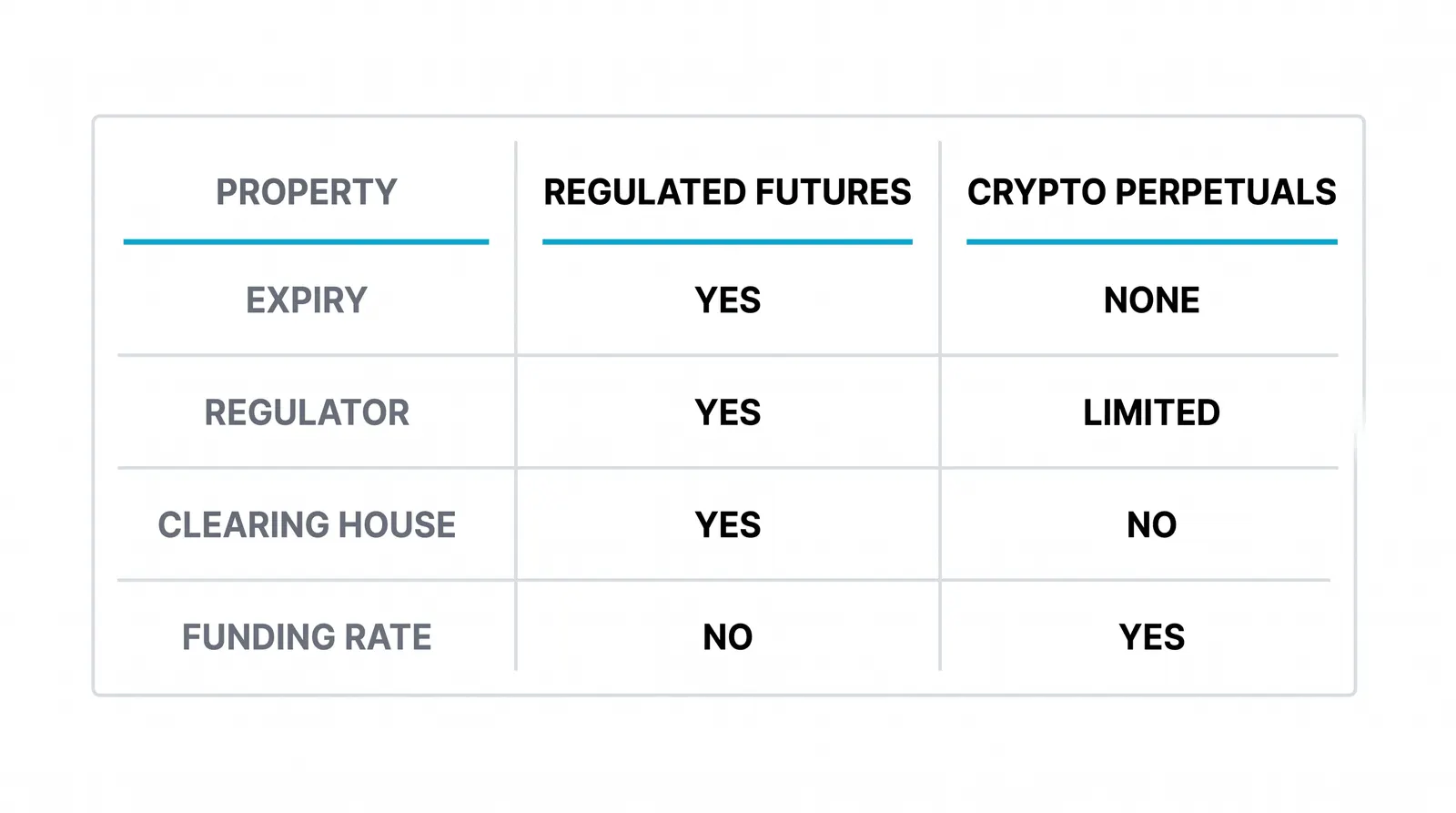
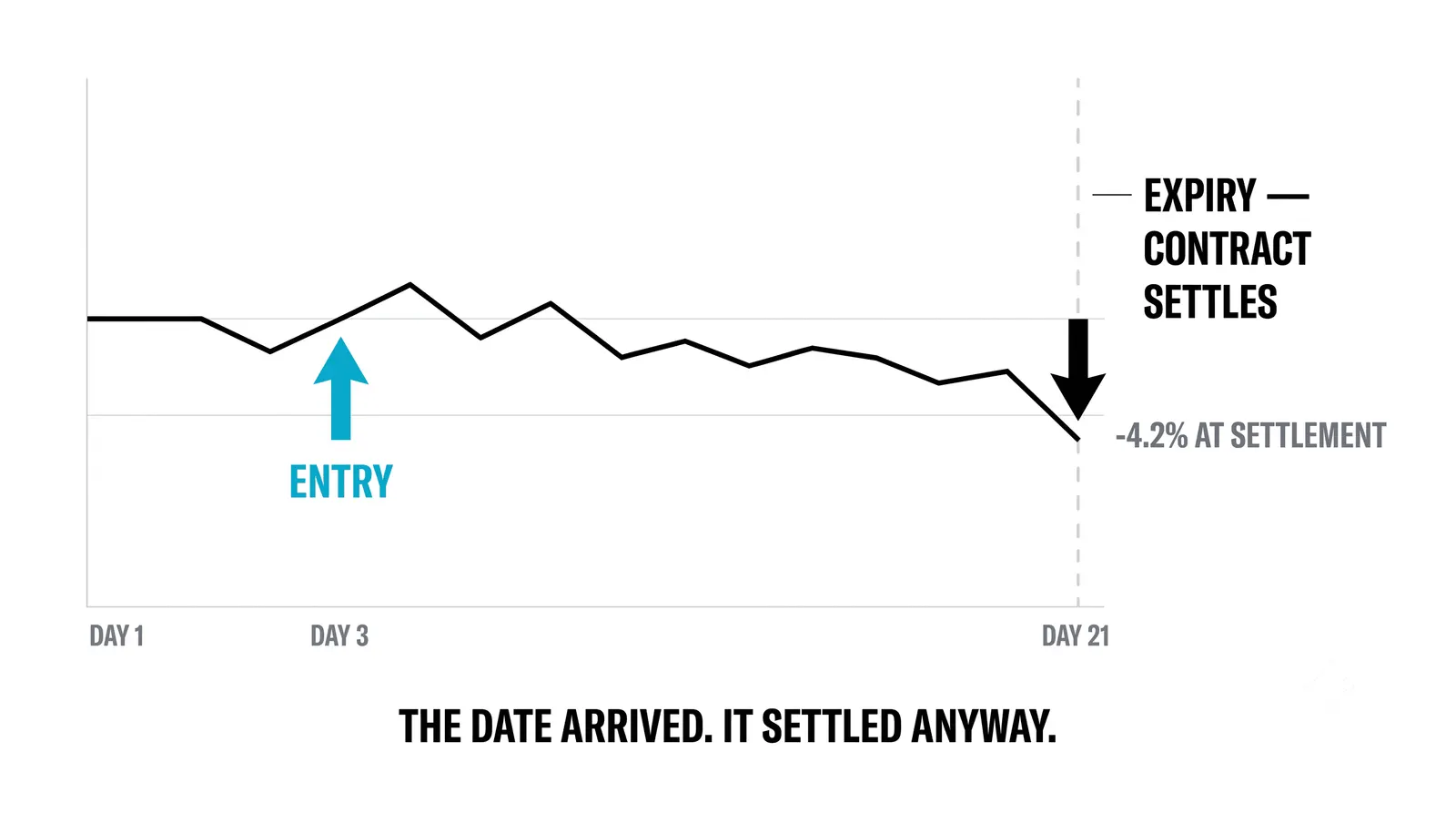
Every contract has an expiry date, so every position has a clock attached to it. Before that date arrives you have three choices: close the position, roll it into the next contract month, or let it settle. Doing nothing is not a fourth option.
Who Uses Futures and Why
Two broad groups keep this market alive, and each needs the other. Hedgers use futures to lock in prices and remove uncertainty from their business. An airline can lock in fuel costs months ahead. A farmer can lock in a crop price before the harvest exists.
Speculators take the other side. They have no fuel to buy and no crop to sell. They trade the direction of price and accept the risk the hedger wants to offload. Without speculators, hedgers would have nobody to transfer risk to. Without hedgers, the market would have no anchor to real supply and demand.
What Makes Futures Appealing
Liquidity comes first. The major index, energy, and metal contracts rank among the most heavily traded instruments in the world, which means tight spreads and reliable fills at almost any hour.
Sessions run nearly around the clock on weekdays. News that breaks overnight can be acted on overnight, rather than waiting for an opening bell.
Other practical strengths worth listing plainly:
- Short selling is symmetric with buying, with no borrow costs or restrictions.
- Contract specifications are standardized, so nothing about the instrument is ambiguous.
- Pricing is centralized on one exchange, so everyone sees the same market.
What Makes Them Demanding
Margin-based sizing cuts both ways. A small deposit controls a large notional value, so percentage moves on your account dwarf the percentage move in the underlying market. A quiet day in the market can be a loud day in your account.
Then there is daily mark-to-market. Gains and losses are settled against your account every single day, not when you decide to close. If the market moves against you on Monday, that money leaves your account on Monday. A string of adverse days can force you out of a position even if your longer-term read eventually proves right.
Expiry adds a third pressure. The contract forces decisions on a schedule whether you feel ready or not. Positions cannot be left alone indefinitely the way a stock can.
The blunt version: futures punish vague risk management faster than almost any other instrument a retail trader can touch.
A Worked Example With Round Numbers
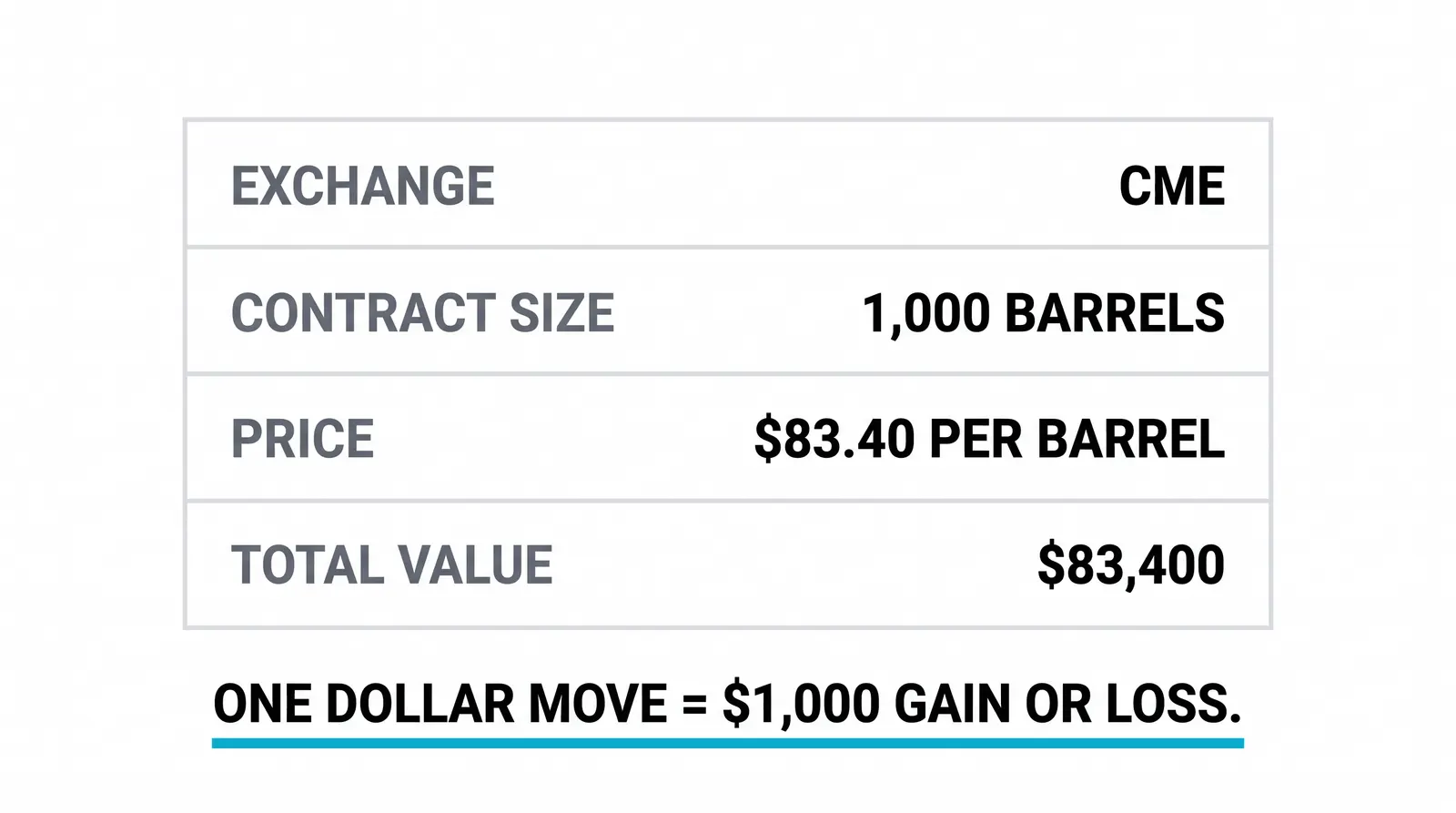
Here is a hypothetical. Suppose one index contract controls 50,000 of notional value, and the exchange requires a 5,000 margin deposit to hold it.
The market rises 2 percent. That move is worth 1,000 on the full notional, which is a 20 percent gain on the 5,000 you posted. The market moved 2 percent. Your account moved 20.
Now flip it. The market falls 2 percent and you lose the same 1,000. Under mark-to-market, that 1,000 is deducted from your account that day, not at some later close of your choosing. The contract does not care about your holding period or your intentions. It settles daily, and your broker will demand more funds if your balance falls below the maintenance level.
Who Futures Actually Fit
Futures suit traders who already understand margin cold and want the biggest, most liquid instruments available. They reward people who size positions from the notional value downward, not from the deposit upward.
They are rarely a first instrument. A trader still learning how losses compound should learn that lesson somewhere cheaper. The market will still be there when the foundations are solid.
Futures vs Spot Forex vs Stocks
| Futures | Spot Forex | Stocks | |
|---|---|---|---|
| What you hold | A standardized contract on an exchange | A position in a currency pair with a broker | Ownership of company shares |
| Expiry | Fixed date; close, roll, or settle | None | None |
| How losses settle | Daily mark-to-market against your account | Continuously against account equity | Realized only when you sell (unless on margin) |
| Typical sizing | Whole contracts; large fixed notional | Flexible down to micro lots | Per share; flexible with fractional shares |
The row that deserves the most attention is the third. Daily settlement changes the emotional and financial rhythm of holding a position, and it is the difference most new futures traders underestimate.
Questions About Futures
Do futures traders ever take delivery of the asset?
Almost never. The vast majority of positions are closed or rolled before expiry, and many popular contracts settle in cash anyway. Delivery is a mechanism that keeps prices honest, not a goal traders pursue.
How much capital do futures need?
More than the minimum margin, by a wide margin of safety. The deposit only gets you into the trade; you need enough buffer above it to absorb daily mark-to-market losses without being forced out. Undercapitalized accounts are the most common reason new futures traders fail.
What happens at expiry?
The contract settles, either in cash or through physical delivery depending on its terms. Most traders exit or roll into the next month well before that point, because liquidity migrates to the new contract and holding into expiry adds risk without adding opportunity.
Are futures riskier than stocks?
The instrument is not inherently riskier; the leverage built into the position sizing is. A fully funded futures position behaves much like the underlying asset, but almost nobody trades futures fully funded. The risk lives in the gap between the small deposit and the large notional, and you control that gap.
With the instrument wrappers now compared, the next step is pulling these threads together: how to match a market and an instrument to your account size, your schedule, and your temperament, so the choice becomes a deliberate decision instead of a default.